sogya water
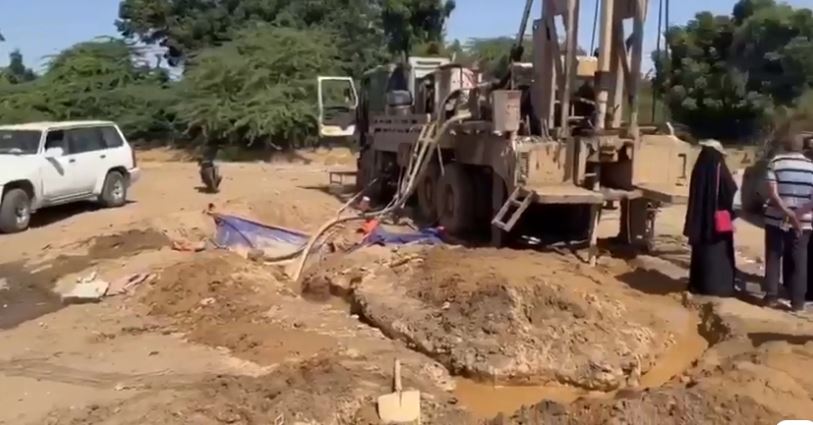
Despite the collapse and despite the multiple water sources in Sudan, more than 80% of the population still rely on groundwater sources, wells, and rainwater for their water supply.
Millions still drink contaminated water from rainwater or what is known as 'Hafair' and from agricultural canals, causing more than 70% of all diseases in Sudan due to water pollution, according to official statistics from the Sudanese Ministry of Health. Providing clean water sources for all villages is essential and would undoubtedly lead to prevention of all these diseases, saving many resources spent on treatment and medication at both individual and governmental levels, and avoiding the suffering caused by illness.
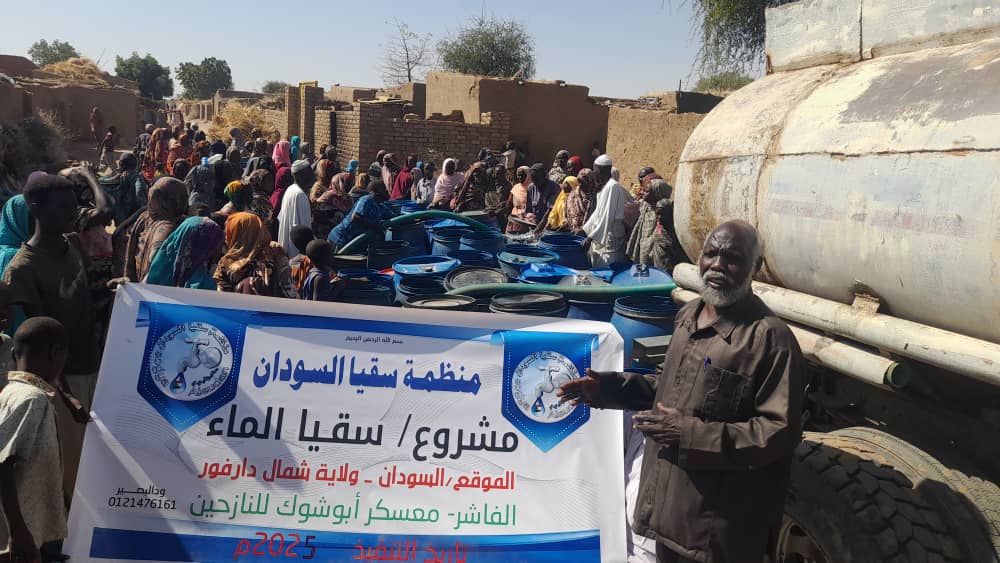
With water sources being distant from many villages, spanning distances of 10 to 30 kilometers, it requires spending more than 8 hours to fetch water from these sources. This task is primarily undertaken by students and women, accounting for more than 90%. Consequently, thousands of children have dropped out of the educational process and abandoned schools. Providing water sources for every village would bring children back into the educational process.